Thursday, March 13, 2014

Free Creative Commons Moon Photos (Royalty Free)

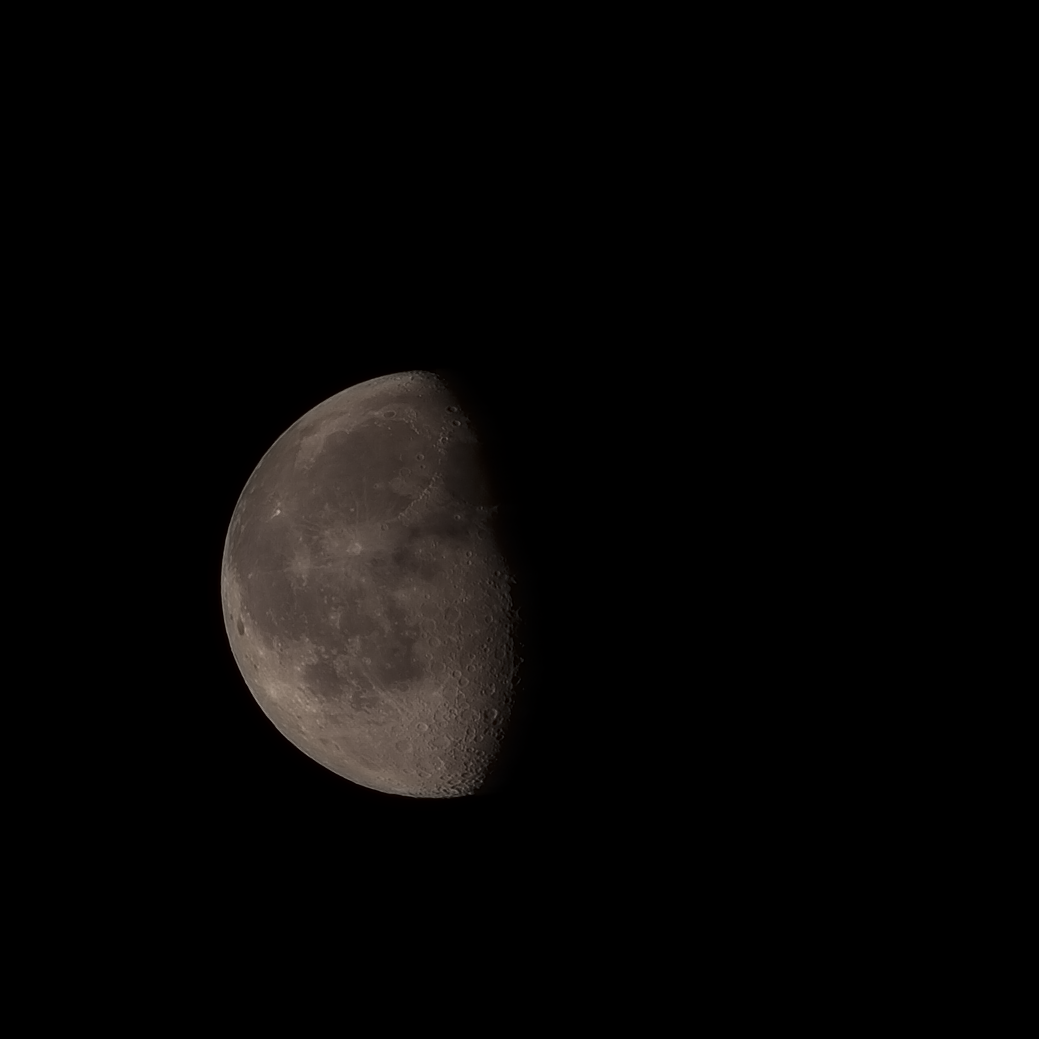
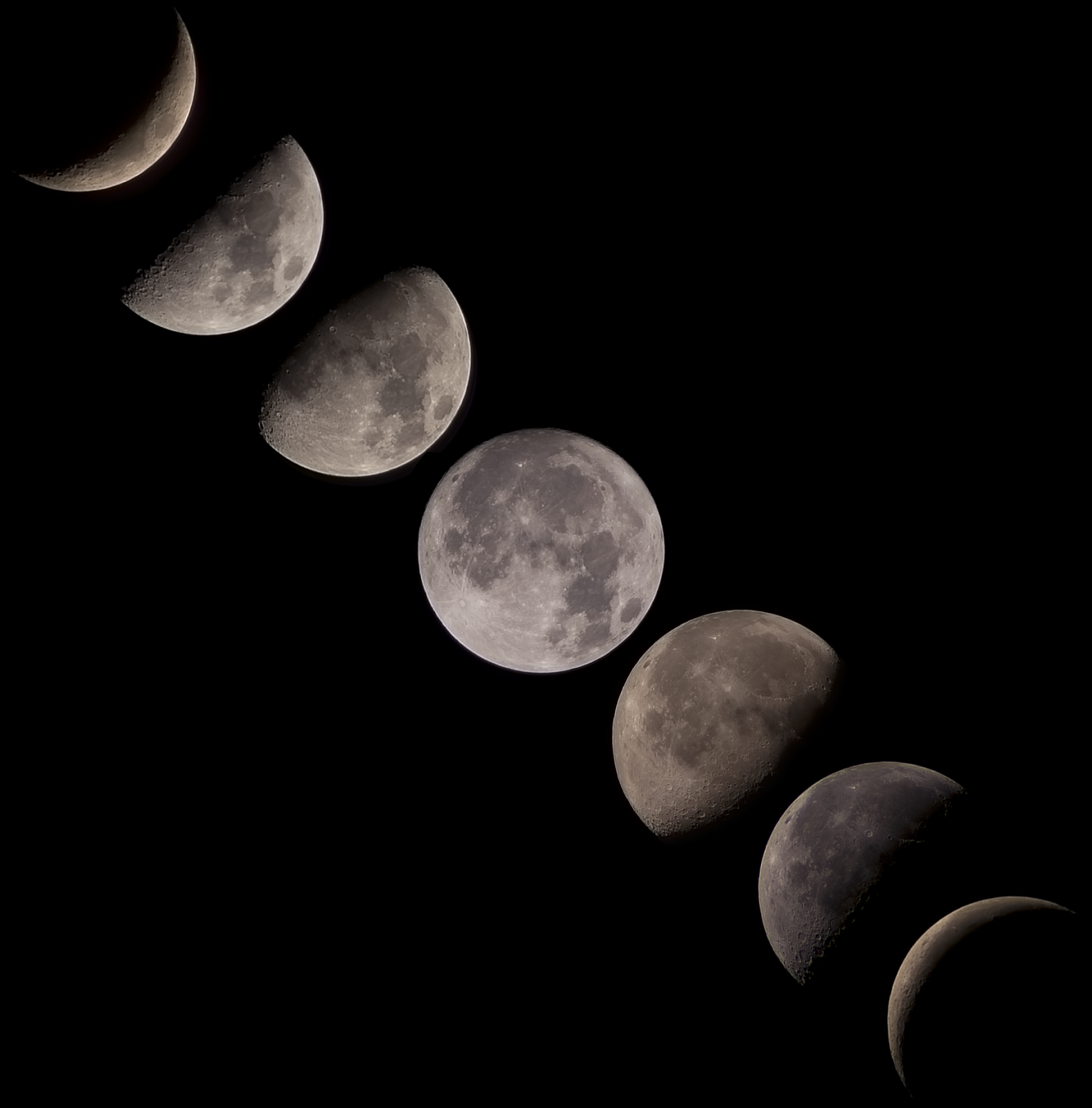
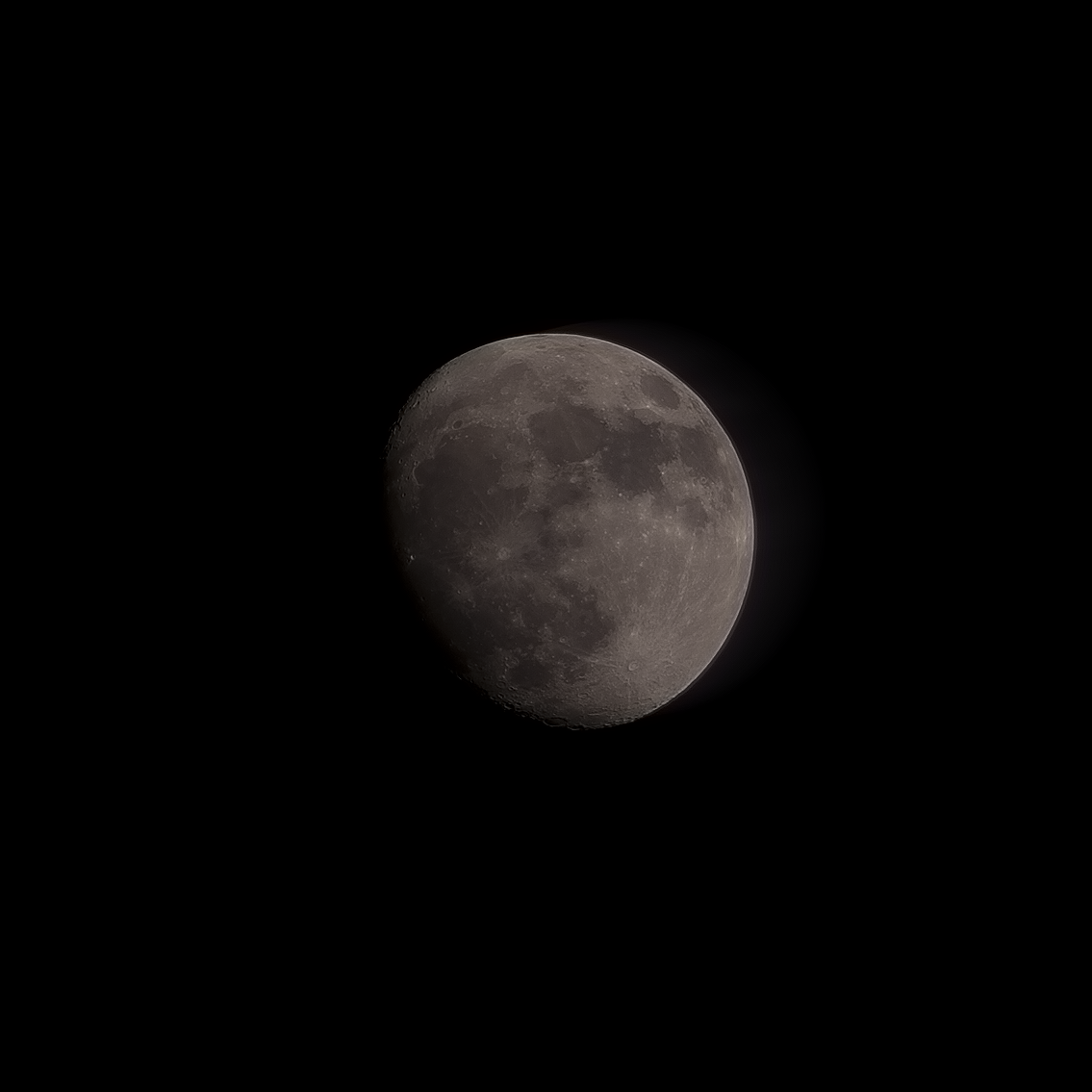
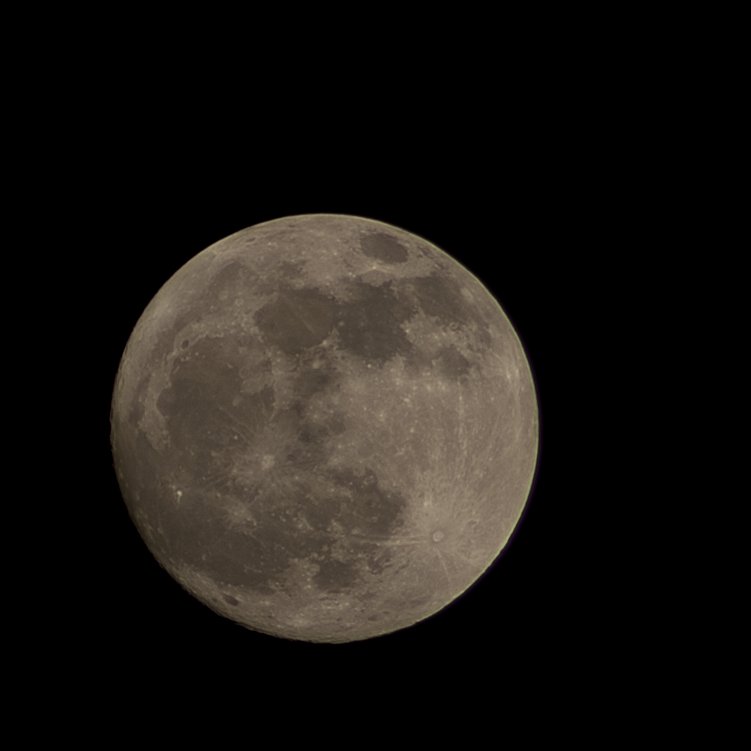
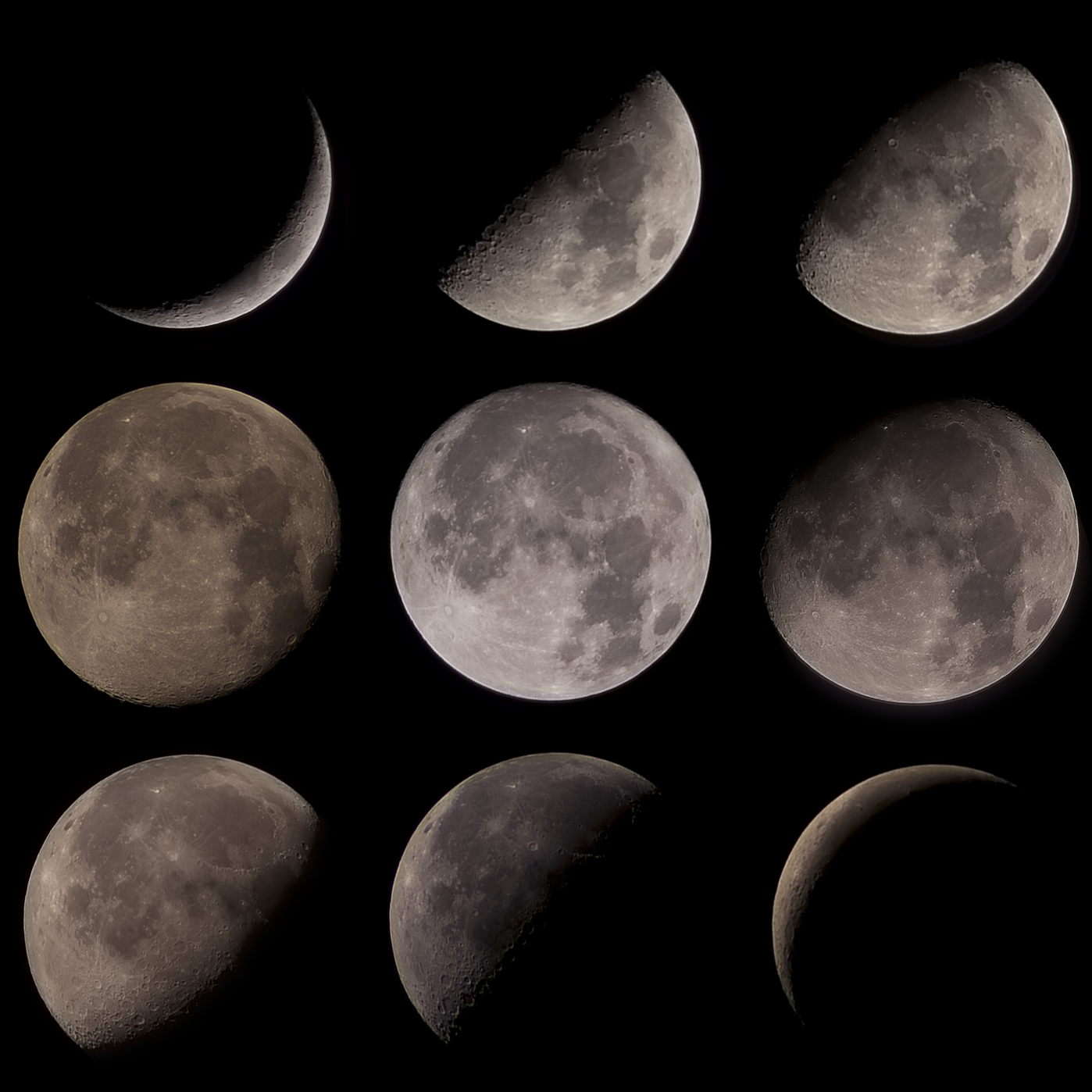
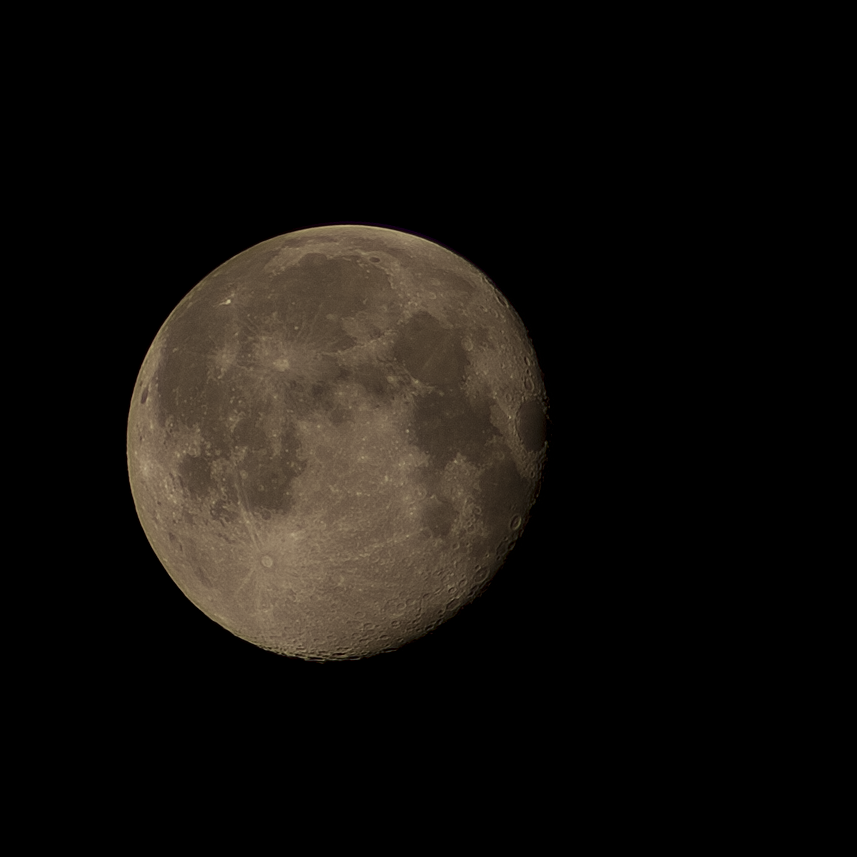
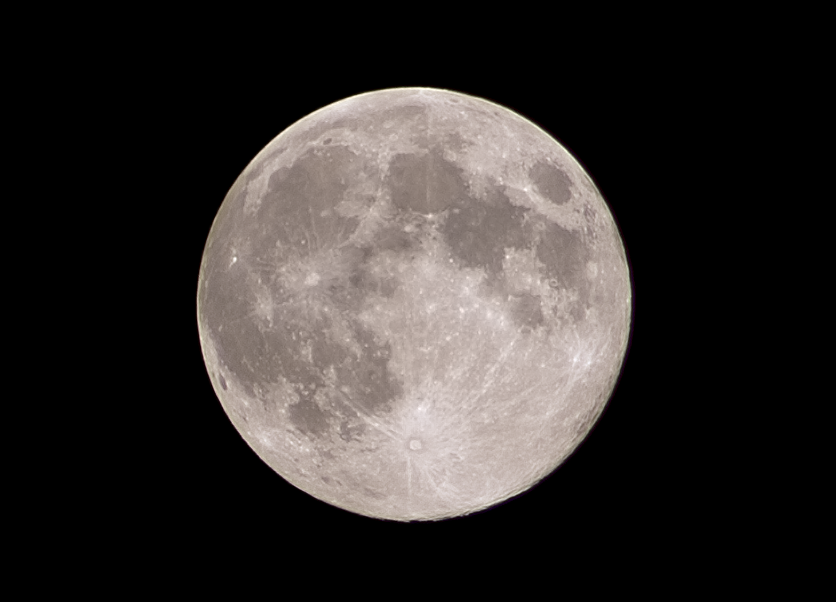
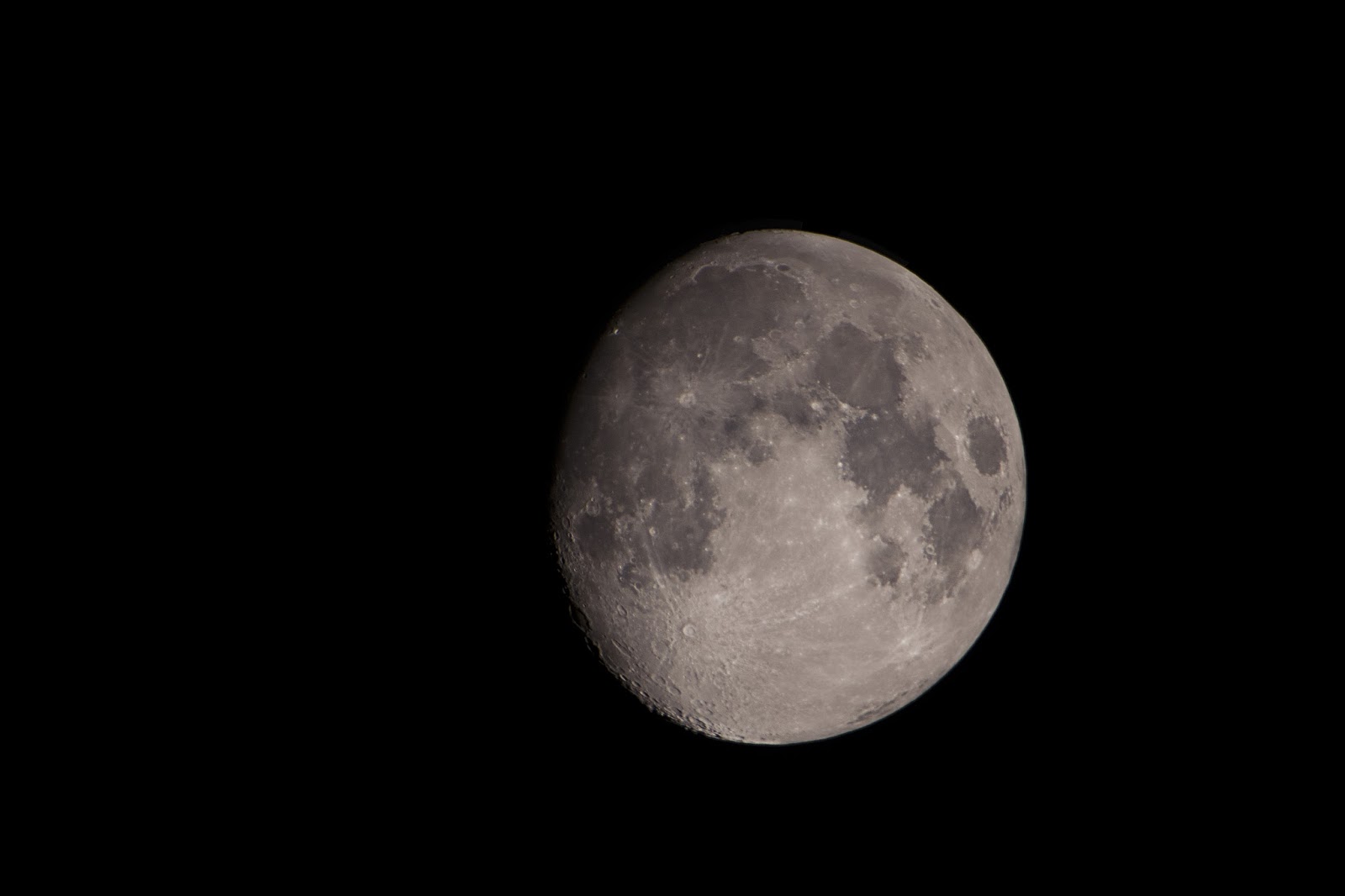
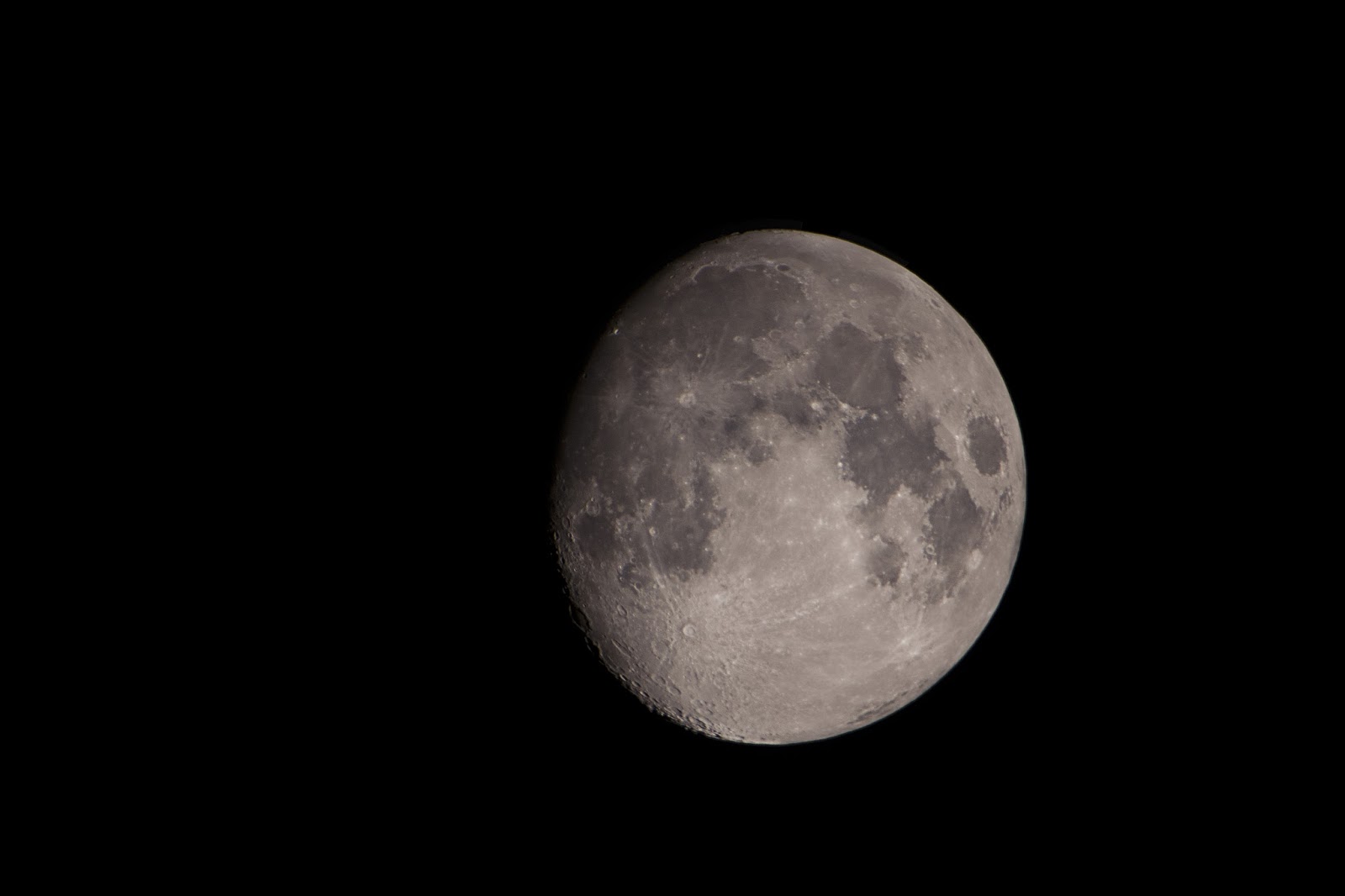
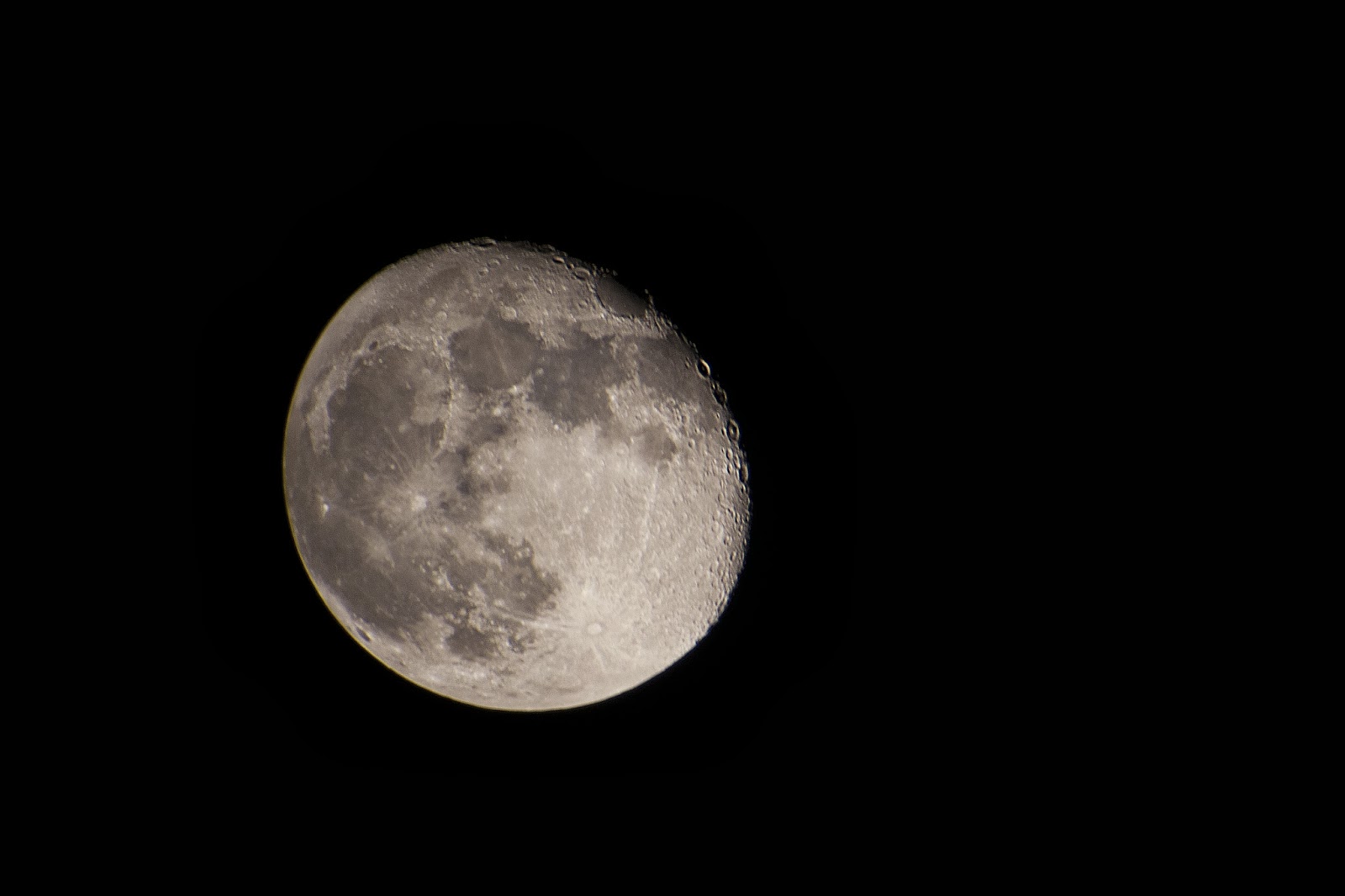
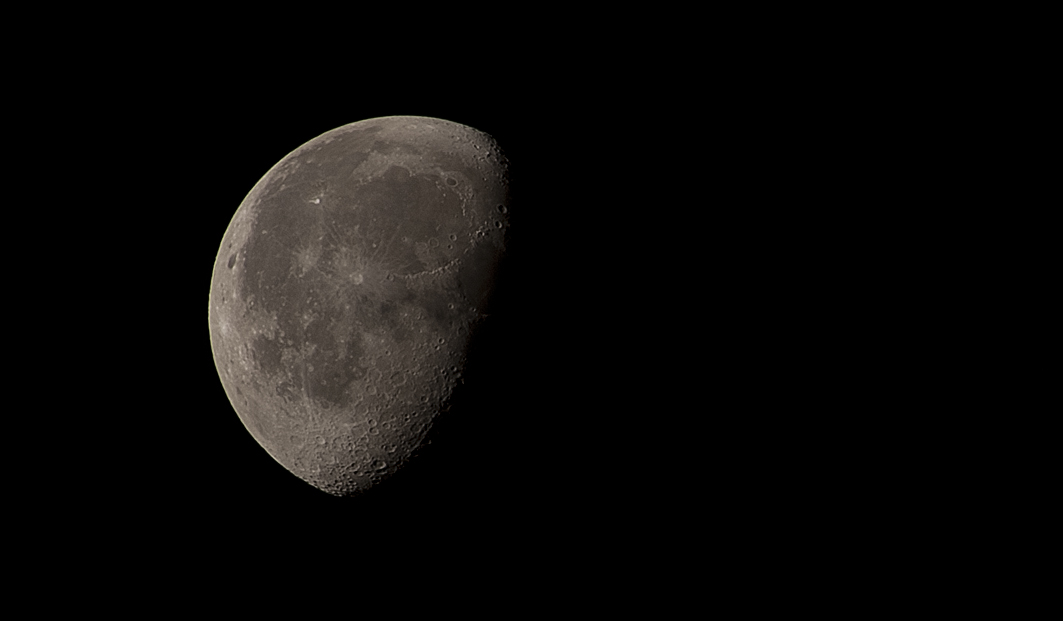
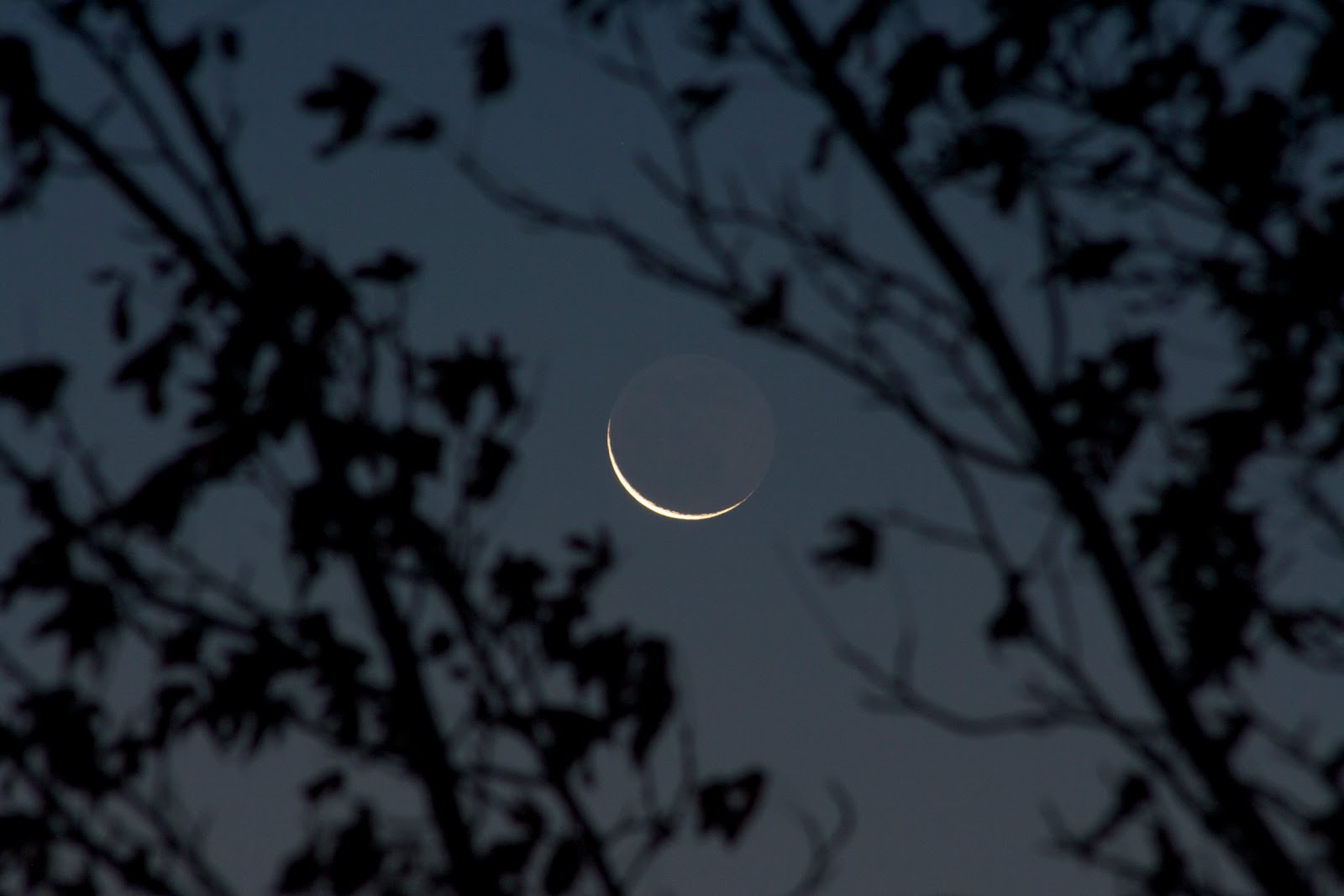
Feel free to use these moon photos in your non-commercial creative project! I always love finding free images that I can use for posters or whatever, so I wanted to try to make these pictures easier to find. They are completely royalty free and have a creative commons attribution non-commercial license. You can also email me if you want the RAW files (teskeej@gmail.com).

Suggested Attribution:
Image by Eric Teske (CC BY-NC 3.0)

free moon photo

free moon photo

free moon photo

free moon photo

free moon photo

free moon photo

free moon photo

free moon photo

free moon photo

free moon photo

free moon photo

free moon photo

free moon photo

free moon photo

free moon photo

free moon photo

free moon photo

free moon photo

free moon photo

free moon photo

free moon photo

free moon photo

free moon photo

free moon photo

free moon photo

free moon photo

free moon photo

free moon photo

free moon photo

free moon photo

free moon photo

free moon photo

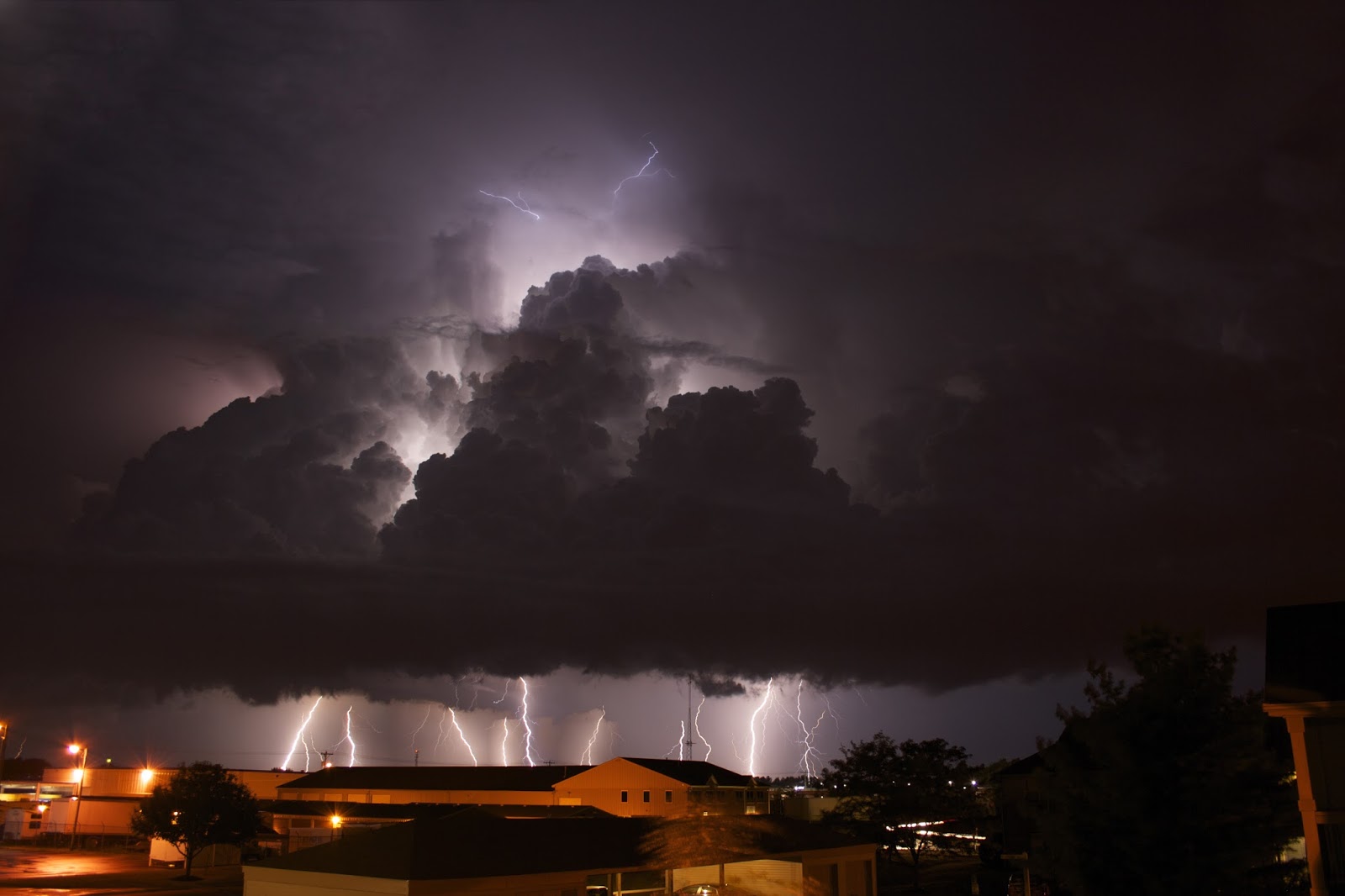
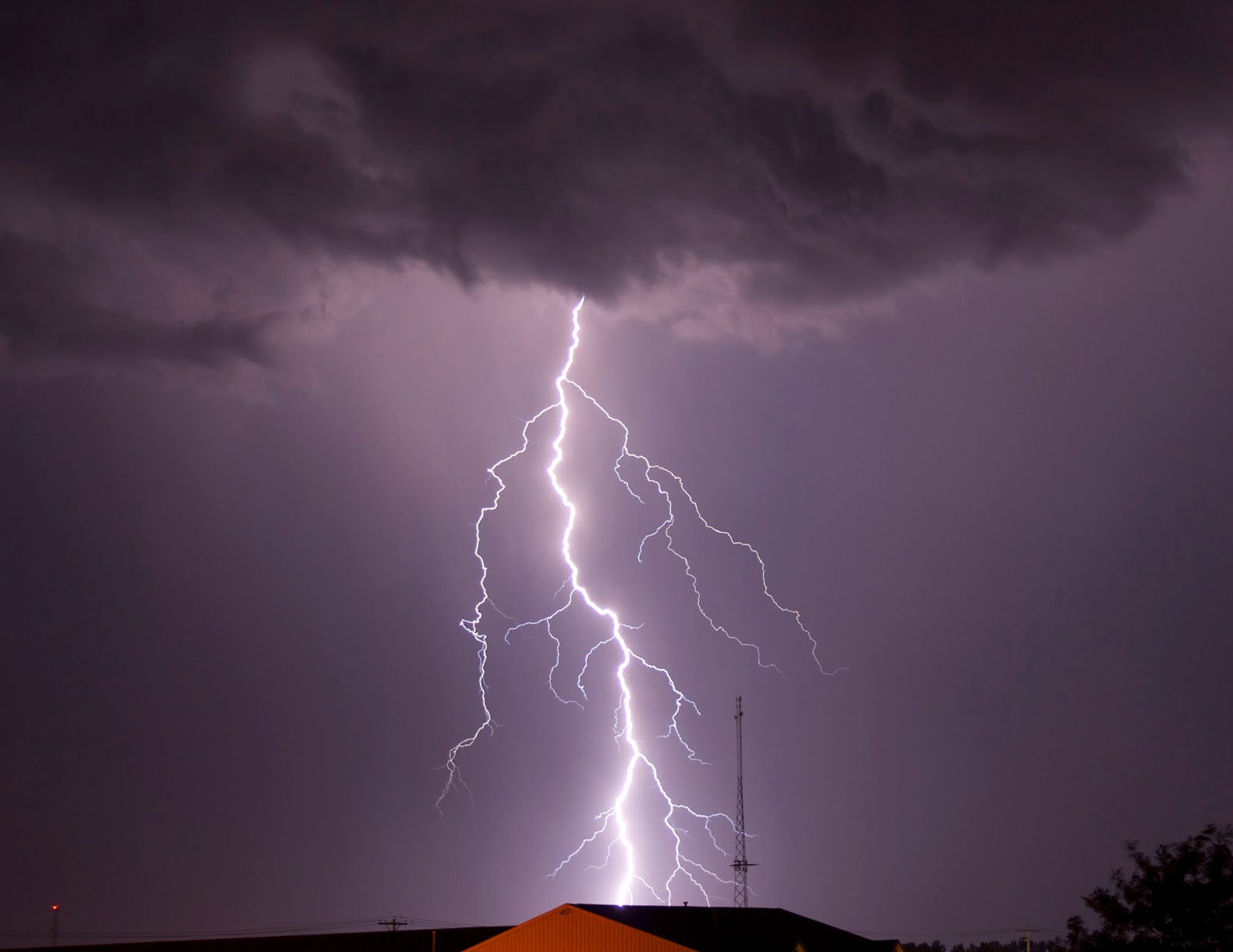
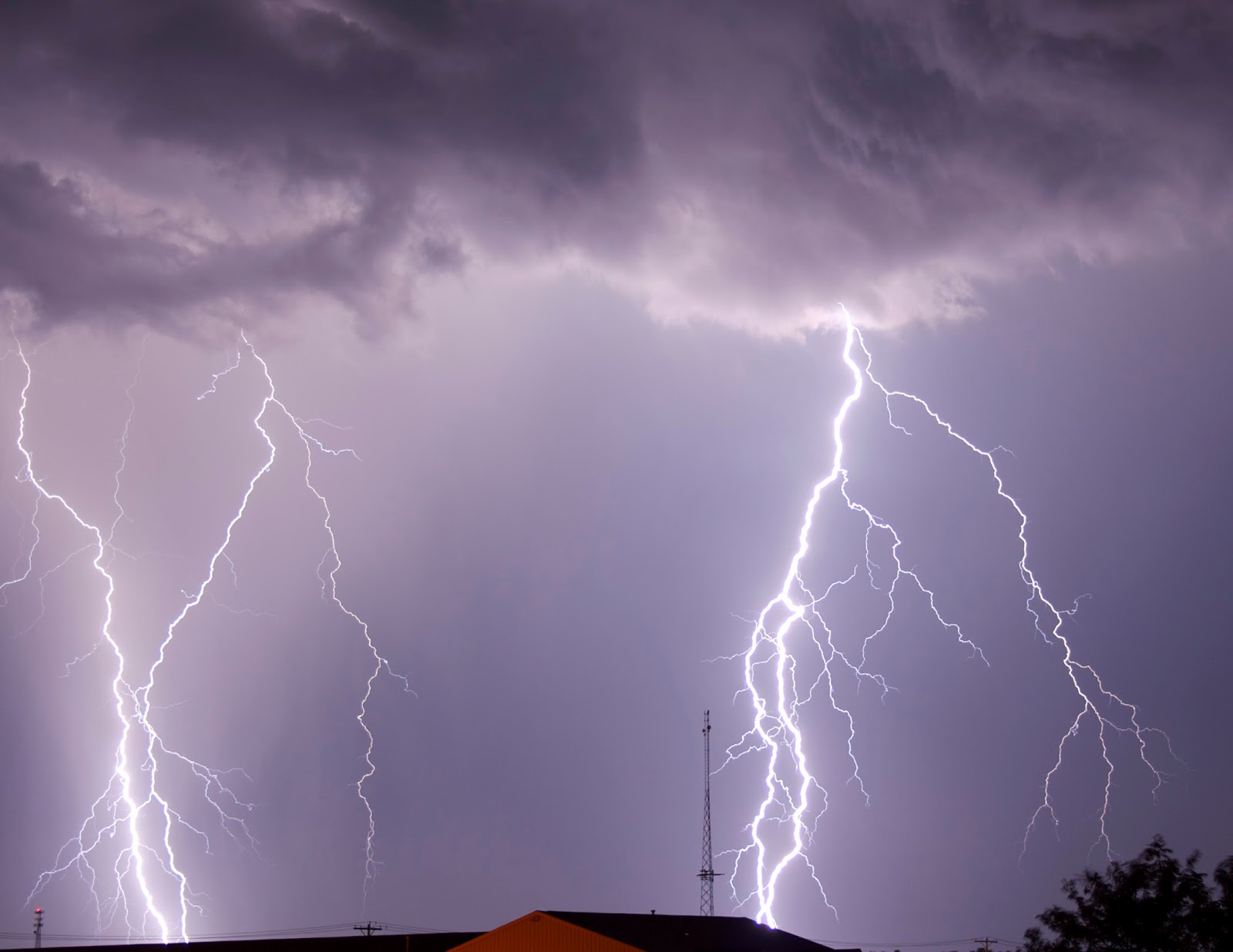
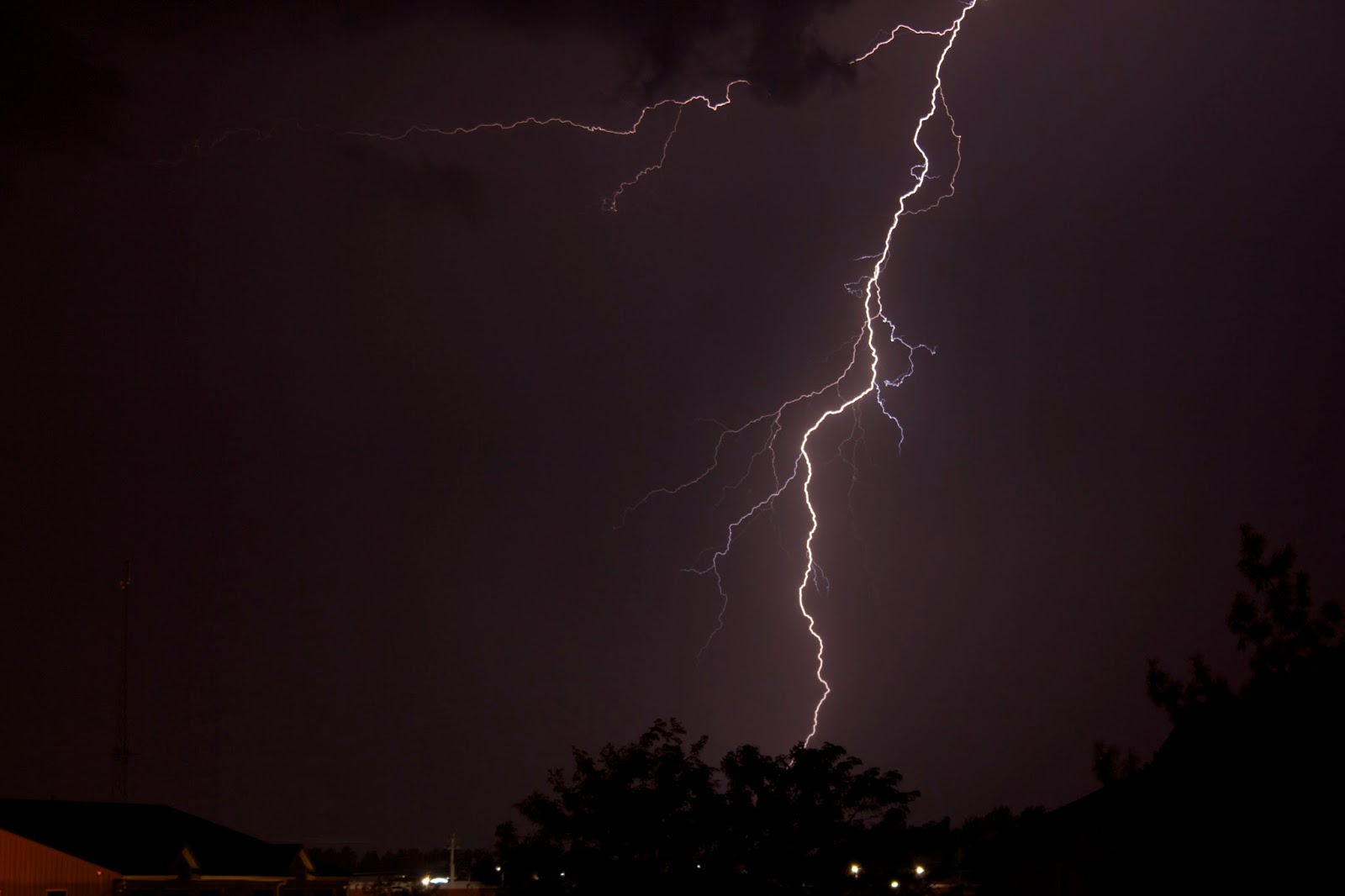
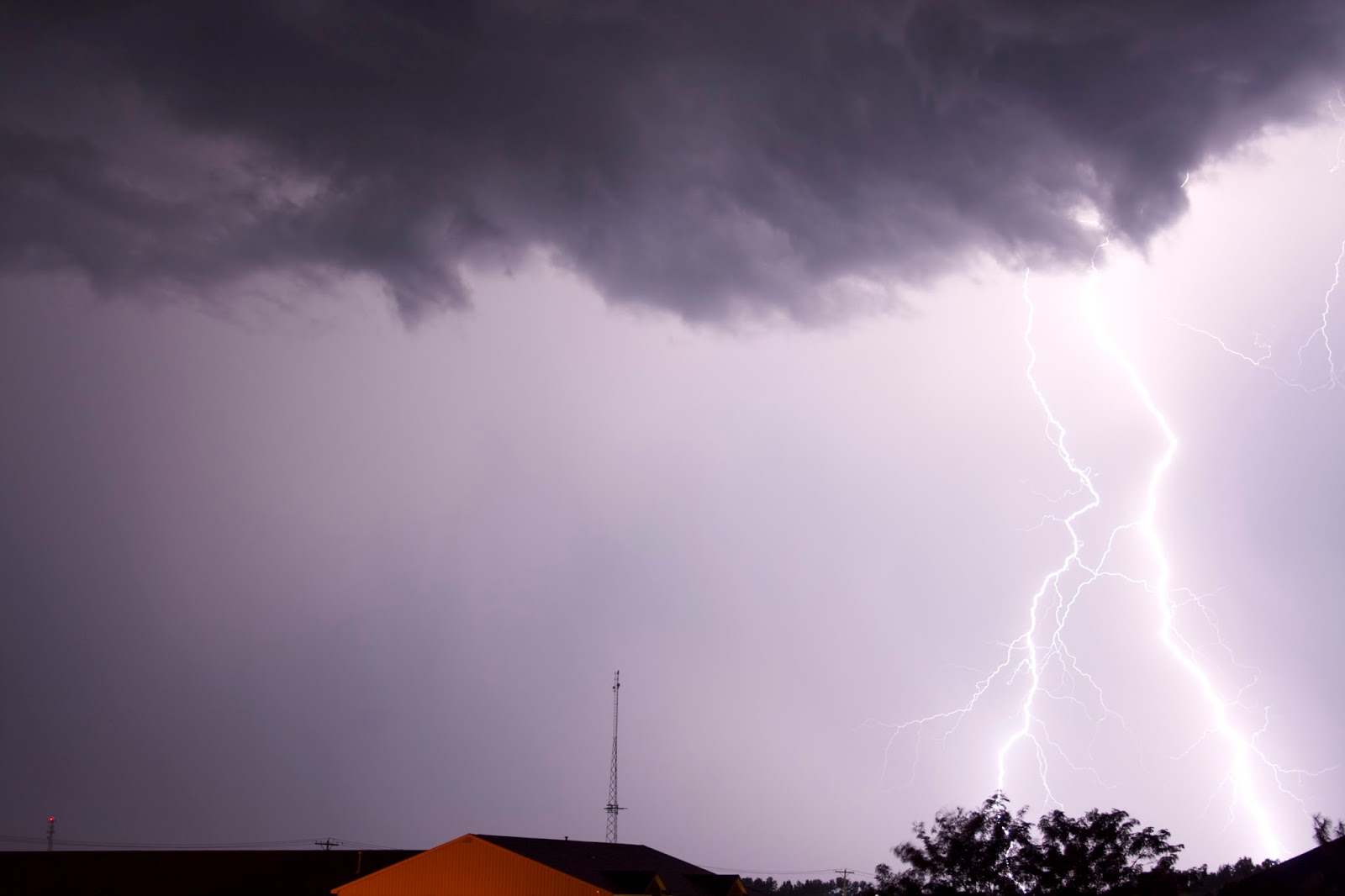
Free Stock Lightning Photos (Royalty Free Creative Commons)

Feel free to use these lightning photos in your non-commercial creative project! I always love finding free images that I can use for posters or whatever, so I wanted to try to make these pics easier to find. They are completely royalty free and have a creative commons attribution non-commercial license. You can also email me if you want the RAW files (teskeej@gmail.com).

Suggested Attribution:
Image by Eric Teske (CC BY-NC 3.0)

Free Stock Lightning Photos

Free Stock Lightning Photos

Free Stock Lightning Photos

Free Stock Lightning Photos

Free Stock Lightning Photos

Free Stock Lightning Photos

Free Stock Lightning Photos

Sunday, March 9, 2014

March 2014 Indiana Astronomical Society Novice/Urban Observing List

Phil Dimpelfeld from the Indiana Astronomical Society creates a Novice/Urban Observing List each month for newbies like myself with not-so-dark skies and not-so-powerful equipment. March marks the 1-year anniversary of the Novice/Urban Observing List. Phil recently announced the addition of a Level 1 list for true beginners to get familiar with important and recognizable objects. I'll continue pursuing the Level 2 list with slightly more challenging objects.

Last month was quite a challenge, with a number of double and triple stars too close to separate with my camera (plus I'm unmotivated to take my telescope out in the snow or into the field of dog poop land mines). I'm still counting down to our new house that's being built in Noblesville. I can't wait to have a yard with a south-facing back yard, and a concrete patio to myself.

All in due time, for now here is the Novice/Urban Observing List (Level 2) for March. Plenty of decent sized objects, and fairly bright. It should be a breeze to knock this out!

Zeta Cancri (08h 12.2m, +17° 39'), Double Star in Cancer, mag = 5.6, 6.0, sep = 6”

M48 (08h 13.8m, -05° 48'), Open Cluster in Hydra, mag = 5.8, size = 54’

M44 (08h 40.1m, +19° 59'), the “Beehive Cluster” in Cancer, mag = 3.1, size = 95’

Iota Cancri (08h 46.7m, +28° 46'), Double Star in Cancri, mag = 4.2, 6.6, sep = 30”

M67 (08h 50.4m, +11° 49'), Open Cluster in Cancer, mag = 6.9, size = 29’

38 Lyncis (09h 18.8m, +36° 48'), Double Star in Lynx, mag = 3.9, 6.6, sep = 3”

M81 (09h 55.6m, +69° 04'), Galaxy in Ursa Major, mag = 6.8, size = 26’x14’

M82 (09h 55.8m, +69° 41'), Galaxy in Ursa Major, mag = 8.4, size = 11’x5’

Atlas – crater on the Moon (first quarter)

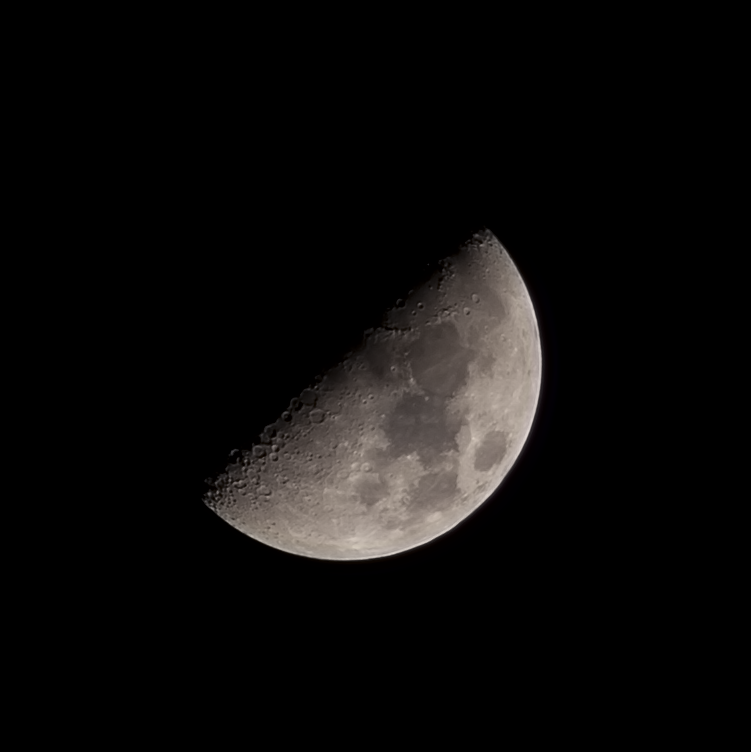
Mare Imbrium – the Moon (third quarter)

Challenge Object:
SN 2014J – supernova in M82 (the only star visible in M82). (If you observed SN 2014J earlier in the year, your observation still counts!)
Incomplete! IAS Novice/Urban Observing List for February 2014

These darn double and triple stars are a real challenge. With my new 6mm eyepiece, I think my Meade 285 refractor has the chops for a lot of them - I just haven't been taking my scope out in the snow and dog poop mine field. I was able to photograph the open clusters. M50 was a new one for me, and I got to re-visit M35 and M41. Messier object 41 was actually my first open cluster I ever photographed about a year ago, so it was nice to see how far I've come with equipment and techniques to make my images much prettier.

M35, open cluster in GeminiM41, open cluster in Canis Major

jupiter snippetM50, open cluster in Monoceros

Oceanus Procellarium

  • M35, open cluster in Gemini
  • Beta Monocerotis, William Herschel’s “Wonder Star”, triple star in Monoceros
  • M41, open cluster in Canis Major
  • 12 Lyncis, triple star in Lynx
  • Jupiter, planet currently in Gemini ✔ (no corresponding blog post)
  • M50, open cluster in Monoceros
  • NGC 2392, the “Eskimo Nebula” (Caldwell 39), planetary nebula in Gemini
  • Castor (Alpha Geminorum), double star in Gemini
  • Mare Tranquillitatis, first quarter Moon
  • Oceanus Procellarium, third quarter Moon ✔ (no corresponding blog post)
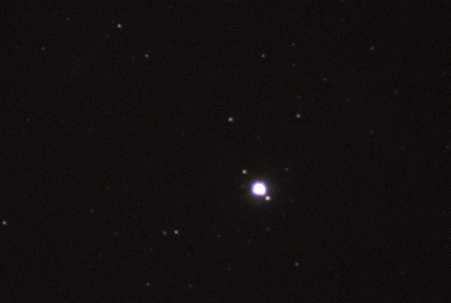
  • Challenge Object: Sirius, double star in Canis Major

Friday, March 7, 2014

Deep Sky Improvements: Revisiting M41 and M35

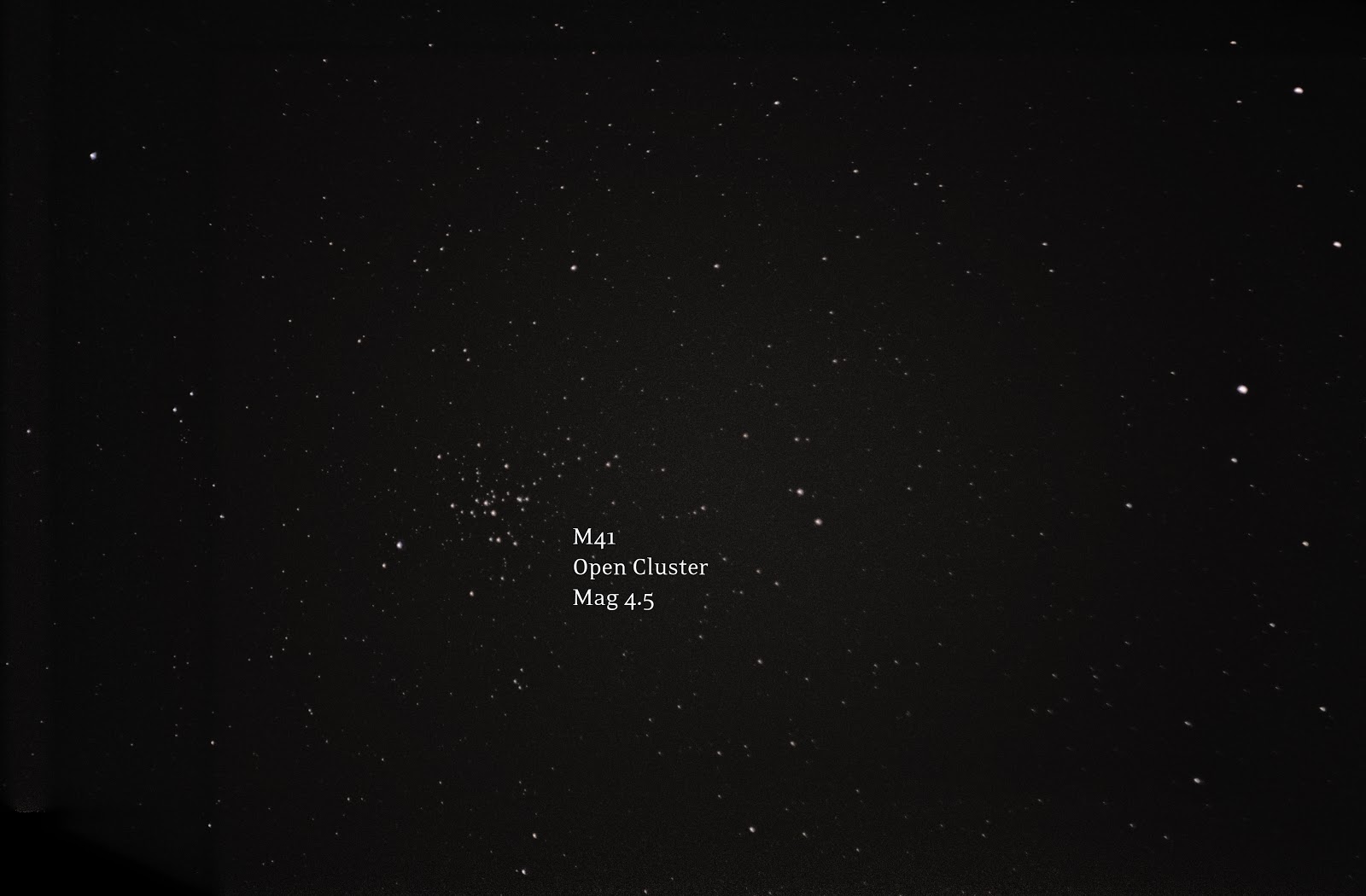
I'm pretty sure M41 was the first open cluster I photographed (other than the Pleiades) about a year ago. It really helped me realize that there are more objects out there that I can see with my camera than I had ever imagined! I've come a long way since then, so I was glad when M41 came up on the observing list for February.

open cluster M41 with T5i
M41, stack of 118 subs, 77 darks, 70 bias, ISO 3200, 300mm, f/5.6, 1.3 sec
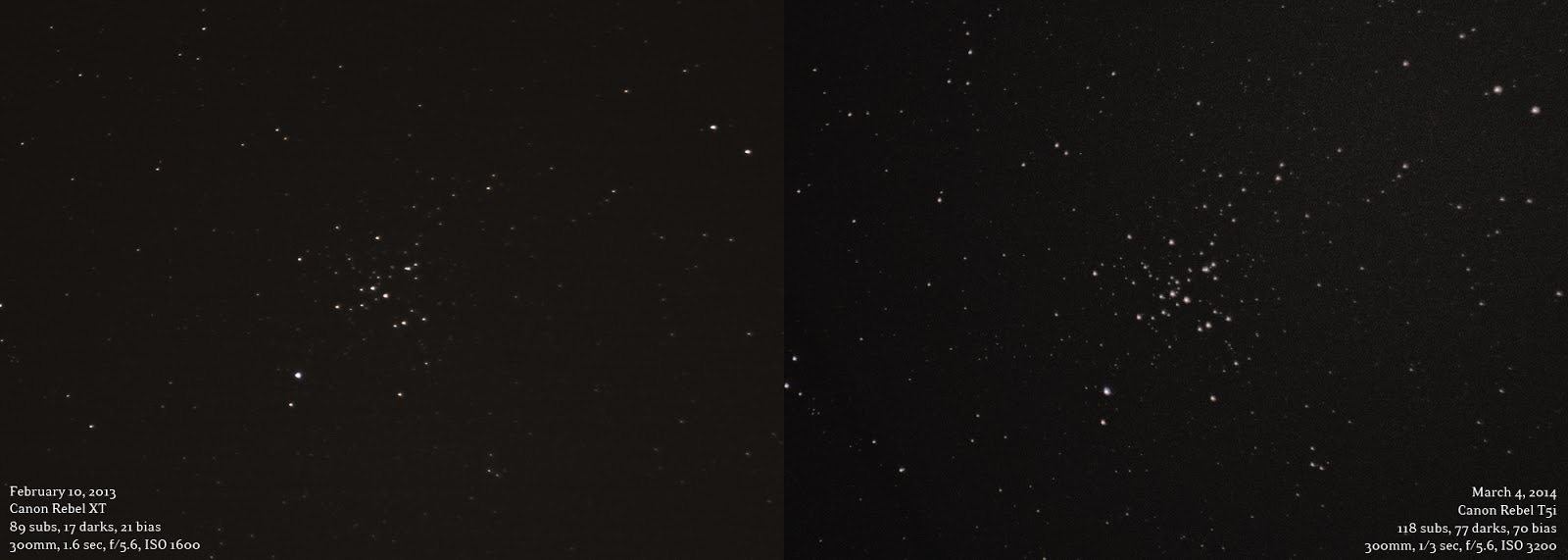
compare M41 with XT and T5i
Comparison of my previous attempt with the Canon Rebel XT, and my latest (right) same photo as above

M35 is a repeat for me as well, last seen in May 2013 with asteroid Vesta nearby. Again, the amount of light gathered by the T5i with the same exact lens is pretty amazing.

open cluster M35 and propus
Stack of 60 subs, 77 darks, 70 bias, ISO 3200, 300mm, f/5.6, 1.3 sec